

 Share your story and shine at JK Monitor!🌟 Welcome to JK Monitor, where every story matters and every achievement is celebrated! We invite you to share the remarkable journey of your life and showcase your accomplishments to the world. Join our exclusive interviews that honor exceptional individuals just like you.
 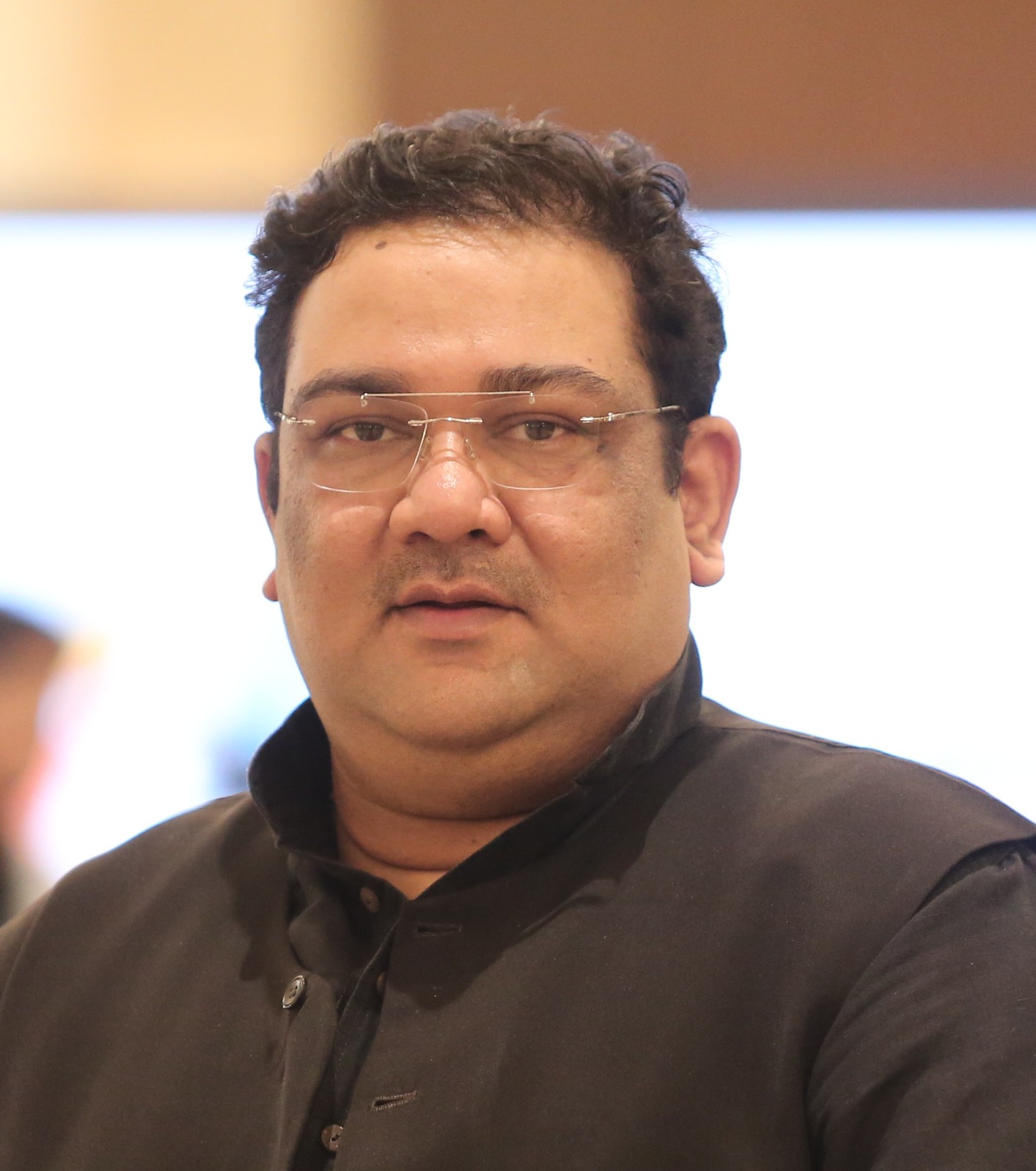 ALIGARH: Prof. Jasim Mohammad, an alumnus, Donor of Aligarh Muslim University (AMU) has written to Union Education Minister Dharmendra Pradhan demanding the constitution of an independent, high-level inquiry committee into what he termed a “complete breakdown of security and governance” at the university.
The letter follows the killing of Rao Danish Ali, a teacher at ABK High School, who was shot dead inside the AMU campus on the night of December 24 near the Maulana Azad Library.
Prof. Jasim Mohammad said that, on moral grounds, the Vice-Chancellor of Aligarh Muslim University should resign. He described the killing of a teacher inside the campus as the worst possible failure of university governance. “When a murder takes place within the campus, it is not a routine crime but a complete breakdown of security and authority,” he said, adding that such an incident demands moral accountability at the highest level.
In his communication to the Education Minister, Prof. Jasim Mohammad described the murder as “a shocking murder” that has “shaken the conscience of the academic community across the country.” He wrote that the incident is “a tragic symptom of a much deeper and systemic failure of campus governance and security at Aligarh Muslim University.”
“The murder of a teacher inside the campus, during evening hours, in the presence of colleagues, exposes a complete collapse of institutional vigilance and responsibility,” the letter states.
Prof. Jasim Mohammad told the Ministry that campus security at AMU has been on a downward trajectory for several years. “It is my considered submission that the security situation in AMU has been steadily deteriorating since May 2017,” he wrote, adding that “over the last two years… the situation has worsened alarmingly.”
According to the letter, “fear, panic, and insecurity now dominate the campus environment,” and “students, teachers, and their families no longer feel safe within what should be a protected academic space.”
Raising concerns about administrative continuity, Prof. Jasim Mohammad noted that “the office of the Proctor has remained unchanged for a long period, even as law and order conditions on campus have visibly declined,” and warned that “this continuity, without accountability or reform, has only reinforced fear and silence within the university community.”
Referring to the responsibility of the university leadership, he wrote: “The responsibility of a Vice-Chancellor is not limited to academic governance alone; it squarely includes ensuring a safe, fear-free environment for all members of the university.”
While acknowledging that the criminal investigation would proceed separately, Prof. Mohammad stressed that the core issue lay elsewhere. “The larger and more urgent question is: how did AMU reach a point where a teacher could be murdered inside the campus with such ease?” he asked, adding that this question “demands answers beyond the local administration.”
In his letter, Prof. Mohammad urged the Ministry of Education to constitute “an independent high-level inquiry committee under the Ministry of Education,” to review “the functioning of the Vice-Chancellor’s office, the Proctorial system, and campus security mechanisms,” and to “interact confidentially with teachers, students, and non-teaching staff to assess the real atmosphere of fear prevailing on campus.”
Emphasising the national importance of the institution, the letter stated: “AMU is a national symbol of higher education. Allowing fear, violence, and administrative inertia to define its campus life will have consequences far beyond Aligarh.”
Concluding his appeal, Prof. Mohammad wrote: “As an alumnus & Donor of Aligarh Muslim University, I unequivocally and strongly demand that an independent enquiry committee be constituted at your level without delay,” adding that “immediate ministerial intervention is our non-negotiable and collective demand.”
Referring to observations made by the Senior Superintendent of Police (SSP) Aligarh, Prof. Jasim Mohammad said two issues were particularly alarming: that most CCTV cameras on the campus were found to be non-functional, and that university authorities had been briefed earlier about security concerns. “Failure on these two counts amounts to criminal dereliction of duty,” he said, adding that repeated warnings and known vulnerabilities make the incident an outcome of sustained negligence rather than an unforeseen lapse.